Started in 2026
Two high school students, one growing season, and a produce list our partner clinic signs off before anything goes in the ground.
We grow herbs in a small garden in Union County, North Carolina and pack them into free bundles for pregnant and postpartum mothers. A partner clinic hands them to the families it serves.
About us
Homegrown Hearts grows herbs in Union County, North Carolina and gives them away. Everything we harvest goes to one partner clinic, which hands it to the families it already serves. We never charge anyone, and we never decide who receives.
It is an unincorporated student-led initiative with no bank account, and donations are not tax-deductible. An adult advisor supervises what we grow, how we handle it, and what we deliver.
Two high school students, one growing season, and a produce list our partner clinic signs off before anything goes in the ground.
Everything is grown, packed, and delivered inside the county. Nothing is shipped and nothing is bought in.
Available to any partner who wants to speak with them directly, before a first delivery or at any point after.
We accept donated supplies only, and never money from anyone for anything.
Our impact
We are just getting started, so these numbers are small. We would rather publish them honestly than round them up.
Last updated: 2026-07-27
No deliveries yet. The first one will be logged here on the day it happens.
Why herbs
They cost a lot for how little you get, and a bunch wilts in the fridge within days. When money is short they are the first thing to go, and a meal made without them is the meal that gets made. That is why a free bag of them, already washed, is worth more than it looks.
1 in 10
adults eat the recommended amount of vegetables
About 1 in 15 among adults living near the poverty line.
CDC, MMWR 202218.4%
of US households with children faced food insecurity in 2024
USDA ERS, 202511.1%
of people in Union County, North Carolina face food insecurity
Lower than most of the state. Still roughly 1 in 9 of our neighbors.
Feeding America, Map the Meal Gap 2025These are figures about what people can buy and eat. We make no claims about health. For guidance on eating during pregnancy, ask your clinician.
How it works
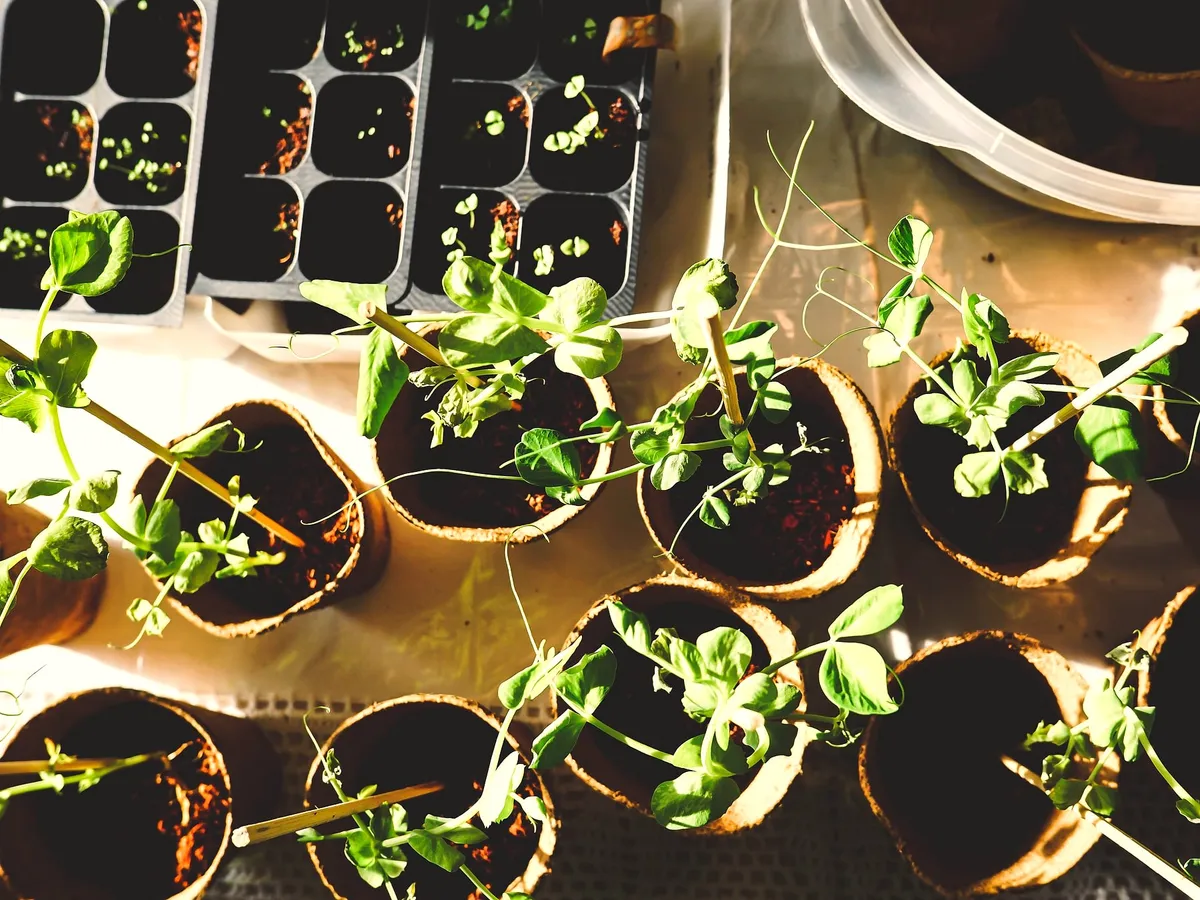
We plant and tend a small garden through the North Carolina growing season.
Herbs are cut in the cool of the morning they go out.
Washed in plain running water, packed into clean bags with a card listing what is inside.
Our partner clinic receives the bundles and hands them to the families it serves.
What is in a bundle
A bundle is not a fixed box. It holds what the garden actually produced that week: sweet basil, peppermint, cilantro, oregano and dill, with kale and spinach alongside them, all grown locally. What is cutting changes with the month.
Everything is whole and raw. We do not cut, cook, or preserve anything.
Every item we grow comes from the produce list our partner clinic signs off before we plant.
In every bundle
A bag of unfamiliar herbs is a bag that sits in the drawer. Every bundle carries a tag listing what went in that morning, and scanning it opens plain ways to cook those specific herbs.
The tag knows what is in the bag. That is all it knows, and all it needs to know.
A preview of the bag tag. Not a working code yet.
The tag lists what went in that morning.
Nothing to install. It opens in a browser.
The herbs on the tag are the only input.
Straightforward methods for what is in front of you, using what your kitchen already has.
Cooking ideas for the herbs in the bundle. This is not dietary or medical advice. For guidance on eating during pregnancy, ask your clinician.
What we are aiming for
The beds went in on August 12 and nothing has been weighed or delivered yet, so today every one of these sits at zero. We would rather show you the plan with the real number next to it than a figure you have no way to check.
First season targets, August 2026 to June 2027
250+
Pounds of produce grown and delivered
100+
Bundles handed to our partner clinic
100%
Grown at our own garden site
Donate supplies
Supplies only, never money. If you are standing in a garden center or a hardware store and want to help, this is the whole list.
Fast-cycle. First thing ready to harvest, and replanted every spring.
Fast-cycle and keeps producing after cutting.
Plants only. Peppermint does not come true from seed.
Sown straight into the bed, in autumn and again in spring.
Cool-season. Overwinters under cover.
Sown straight into the bed, like the cilantro.
A perennial. Plant it once and it comes back every spring.
The two tools we run out of on a packing morning.
Used every single day the sun is out.
Adult small and medium.
Clean and unused, for moving bundles to the clinic.
One bundle per bag. Unused only.
We accept donated supplies only, never money. Homegrown Hearts is a student-led initiative, and donations are not tax-deductible.
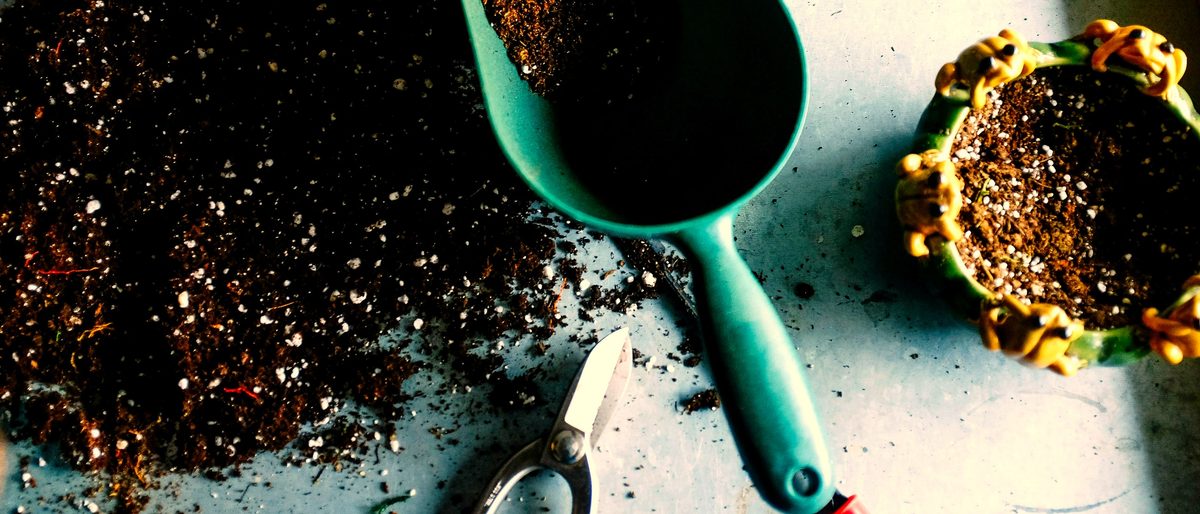
The garden
Who runs it
Mission and medical lead. Runs clinic outreach, the produce list, and the food-safety protocol.
Operations and technology lead. Runs growing schedules, logistics, the bag-tag system, and this site.
How this stays safe
We are two high school students. We grow herbs and we drive them to a clinic. Everything past that point belongs to people qualified to decide it, and the program is built so it stays that way.
Our partner clinic reviews the list of everything we propose to grow and pack, and nothing goes in the ground until they have signed it off. Nothing goes into a bundle that is not on that list.
An adult advisor supervises the program and signs off on what we deliver. Nothing goes out without them.
We do not cut, cook, or preserve anything. Bundles are packed the morning they leave and handed straight to the clinic.
We never meet a recipient and we never hold a name. Our partner hands the bundles to the families it serves.
We describe the food and nothing else. For guidance on eating during pregnancy, ask your clinician.
Get involved
Growing, harvesting, packing, and driving. No experience needed.
Seeds, seedlings, tools, soil, and clean bags. Supplies only, never money.
If you work at a clinic or pregnancy center in or near Union County, North Carolina, we would like to talk.